In today’s rapidly evolving business landscape, selecting the right storage solution is critical for balancing performance, cost, and security. As the demand for scalable and flexible storage increases, businesses often face the challenge of choosing between cloud and on-premises storage. A hybrid cloud model offers the ideal solution by combining the flexibility of cloud storage with the control and security of on-premises infrastructure, making it the top choice for many organizations.
What is Hybrid Cloud Storage?
Hybrid cloud storage merges the strengths of on-premises infrastructure with the scalability of cloud resources. This model allows businesses to securely store critical data locally while utilizing the cloud for the cost-effective storage of less sensitive information. By leveraging both environments, organizations can optimize their storage strategy based on specific needs such as performance, security, and cloud optimization. Learn more about the differences between private, public, and hybrid clouds.
Benefits of Cloud vs. On-Premises Storage
Cloud storage provides unmatched scalability, cost-efficiency, and accessibility, making services like Azure Managed Service, ideal for businesses looking to enhance their operations. It’s ideal for remote access and disaster recovery, with robust built-in security features. Conversely, on-premises storage offers direct control over sensitive data, making it a preferred option for organizations with stringent regulatory requirements.
Workloads Suited for the Cloud
Certain workloads, such as data analytics, content delivery, and application development, thrive in a cloud environment due to the need for scalability and flexibility. The cloud also excels in disaster recovery scenarios, ensuring the rapid restoration of operations when necessary.
Deciding Where Workloads Work Best
Businesses should weigh data sensitivity, performance, costs, and compliance when choosing storage. Sensitive data suits on-premises, while scalable or remote access needs favor the cloud. Learn more about balancing workload placement.
Conclusion
A hybrid cloud strategy provides the best of both worlds—combining the flexibility and scalability of cloud storage with the control and security of on-premises solutions. By carefully assessing workload requirements, businesses can optimize their storage strategy for maximum efficiency, security, and compliance.
]]>The Shortcomings of a Single Cloud Model
Security and Compliance Challenges
A significant limitation of a single cloud model is its inability to meet diverse security and compliance requirements across different industries. For instance, regulated industries often have unique security needs and compliance standards that a single provider may not fully address (Oracle Blogs). Multi-cloud environments distribute workloads across various platforms, enhancing security and ensuring compliance with specific regulatory requirements.
Lack of Flexibility
A single cloud model can restrict flexibility and innovation. Organizations need the ability to choose the best services from different providers to meet their specific needs. Multi-cloud strategies enable businesses to leverage the strengths of various platforms, such as AI capabilities from Cloud Google or enterprise solutions from Microsoft Cloud, fostering innovation and avoiding vendor lock-in.
The Advantages of Multi-Cloud Solutions
Enhanced Security and Compliance
Multi-cloud strategies offer enhanced security by distributing workloads across multiple providers, thereby mitigating the risk associated with vendor-specific vulnerabilities. This approach ensures compliance with regional regulations, as organizations can select cloud providers that meet specific legal and regulatory requirements.
Cost Efficiency
Utilizing multiple cloud providers allows businesses to optimize costs by selecting the most cost-effective solutions for specific workloads. This strategy helps in managing budgets more efficiently and avoiding unexpected expenses related to over-reliance on a single provider.
Flexibility and Innovation
Multi-cloud environments provide unmatched flexibility. Organizations can take advantage of the best features from various cloud services, such as cloud storage, cloud hosting, cloud drive, and cloud server capabilities. This flexibility fosters innovation by enabling the use of advanced technologies like AI and machine learning across different platforms.
Real-World Applications of Multi-Cloud Strategies
Government Entities
Government agencies are increasingly adopting multi-cloud strategies to enhance service delivery and ensure data sovereignty. By distributing workloads across multiple clouds, these entities maintain high levels of security and compliance, ensuring sensitive data is protected and accessible only to authorized personnel.
Financial Services
The financial sector, known for its stringent security and compliance requirements, benefits significantly from multi-cloud environments. Financial institutions can leverage the security features of one provider while utilizing the advanced data analytics capabilities of another, ensuring both compliance and competitive advantage.
Future Trends in Cloud Computing
Hybrid Cloud Integration
The future of cloud computing lies in the seamless integration of hybrid cloud solutions, combining on-premises infrastructure with multiple cloud providers. This hybrid approach offers the flexibility and scalability of cloud computing while maintaining control over critical on-premises resources.
Advanced Security Measures
As cyber threats evolve, multi-cloud environments will continue to advance in terms of security. Enhanced encryption, AI-driven threat detection, and robust identity management systems will become standard features, ensuring data remains secure across all platforms.
Conclusion
The era of relying on a single cloud model is ending. Businesses and government entities are recognizing the myriad benefits of multi-cloud strategies, from enhanced security and compliance to cost optimization and innovation. By embracing this approach, organizations can future-proof their operations and stay competitive in an increasingly digital world.
By understanding the limitations of a single cloud model and the advantages of a multi-cloud strategy, organizations can make informed decisions that align with their long-term goals and regulatory requirements. Cloud migration to a multi-cloud environment, leveraging services such as cloud storage, cloud hosting, cloud drive, and cloud server capabilities, ensures a robust and agile operational framework. As cloud technology evolves, adopting diverse cloud solutions from leading providers will be essential for maintaining a competitive edge and operational excellence.
]]>Unleashing Unmatched Computational Scale
The core of the cloud-AI synergy lies in the unparalleled scalability of the cloud. Sophisticated AI models, especially deep learning and large language models require immense computational resources and extensive datasets for training and inference. State-of-the-art infrastructure, backed by industry-leading data centers and hardware, offers a virtually limitless pool of processing power, storage, and data management capabilities.
By utilizing robust cloud services, enterprises can train complex AI models significantly faster than with traditional on-premises setups. This acceleration enables rapid iteration, experimentation, and deployment of AI-driven solutions, delivering swift, tangible business outcomes. The cloud’s ability to quickly provision and de-provision resources as needed ensures that organizations can handle the computational demands of AI without the heavy capital expenditure associated with building and maintaining in-house data centers.
Flexibility and Agility: Meeting Evolving AI Demands
The inherent flexibility and scalability of the cloud are crucial for addressing the dynamic requirements of AI applications. As AI models evolve and new use cases emerge, cloud services empower enterprises to scale resources up or down effortlessly, ensuring optimal performance and cost efficiency. This flexibility is particularly important in the context of AI, where workloads can be highly variable and unpredictable.
This agility allows businesses to seamlessly adjust their AI strategies without being restricted by fixed hardware investments. By integrating cloud solutions into their AI workflows, companies can prioritize innovation over infrastructure management. For instance, during periods of high demand, such as training new models or handling large volumes of data, organizations can temporarily scale up their cloud resources to meet the increased load. Conversely, during periods of lower demand, they can scale down to reduce costs.
For developers and data scientists, this translates to leveraging Kubernetes for container orchestration, enabling rapid deployment, scaling, and management of AI applications. Containers encapsulate AI models and their dependencies, ensuring consistent and reproducible environments across different stages of development and deployment. Kubernetes automates the deployment and scaling of these containers, making it easier to manage complex AI workflows.
Autoscaling features in cloud platforms can dynamically adjust resources based on workload demands, ensuring efficient utilization and cost savings. For example, cloud services can monitor the performance of AI applications and automatically allocate additional computing resources when needed. This ensures that applications maintain high performance and responsiveness, even under varying workloads. Additionally, cloud platforms offer various pricing models, such as pay-as-you-go and reserved instances, allowing organizations to optimize their spending based on their specific needs.
Cloud environments facilitate collaboration and sharing of AI models and datasets across teams and geographical locations. Cloud-based version control systems, like Git, and collaboration tools, such as Jupyter Notebooks, enable data scientists and engineers to work together seamlessly, regardless of their physical location. This collaborative environment accelerates the development and deployment of AI solutions, fostering innovation and improving time-to-market.
Leading the Charge in AI Hardware Innovation
Recognizing the critical importance of AI, cloud providers collaborate with top hardware manufacturers to develop specialized hardware tailored to accelerate AI workloads. From high-performance GPUs to custom-built AI chips, these advancements drive significant improvements in training speed, inference latency, and overall model performance.
Technical users can benefit from access to NVIDIA A100 GPUs, Google TPUs, and other cutting-edge hardware that significantly reduce training times and enhance model accuracy. These high-performance computing resources are designed to handle the intensive computational demands of AI, enabling faster and more efficient processing of complex models. The use of GPUs and TPUs for parallel processing allows AI models to be trained on large datasets in a fraction of the time required by traditional CPUs.
Collaboration with hardware vendors ensures that clients always have access to the latest and most powerful tools for AI development. Cloud providers continuously update their offerings to include the newest hardware innovations, ensuring that customers can take advantage of the latest advancements in AI technology. This close partnership between cloud providers and hardware manufacturers drives continuous improvement and innovation in AI infrastructure.
In addition to GPUs and TPUs, cloud providers are investing in specialized AI accelerators, such as FPGAs (Field-Programmable Gate Arrays) and ASICs (Application-Specific Integrated Circuits). These custom-built hardware solutions are optimized for specific AI workloads, delivering even greater performance and efficiency. For example, FPGAs can be programmed to perform specific AI tasks, such as deep learning inference, with lower latency and power consumption compared to general-purpose processors.
Cloud providers are developing integrated AI platforms that combine hardware, software, and services into a unified solution. These platforms simplify the deployment and management of AI applications, providing a seamless experience for users. For instance, integrated platforms may include pre-configured AI environments, automated workflows, and managed services for monitoring and optimizing AI performance. These comprehensive solutions enable organizations to quickly and easily implement AI, reducing the complexity and overhead associated with AI development.
Edge Computing and AI at the Edge
The convergence of edge computing and AI is revolutionizing real-time, low-latency data processing. By processing data closer to the source, edge computing reduces latency and enhances performance for applications such as autonomous vehicles, industrial IoT, and smart city infrastructure. Integrating cloud and edge computing creates a comprehensive AI-driven ecosystem, delivering the best of both worlds.
For engineers and architects, this means the ability to deploy AI models on edge devices using frameworks like TensorFlow Lite and ONNX Runtime. Edge solutions support real-time analytics and decision-making, crucial for applications where latency is a critical factor. For example, in autonomous vehicles, real-time processing of sensor data is essential for safe and efficient operation. Edge computing enables AI models to process this data locally, reducing the time it takes to make critical decisions.
Edge computing also enhances the scalability and resilience of AI applications. By distributing processing across multiple edge devices, organizations can handle larger volumes of data and ensure continuous operation, even in the event of network disruptions. This decentralized approach improves the robustness and reliability of AI-driven systems, making them better suited for mission-critical applications.
Edge computing enables more efficient use of network bandwidth by processing data locally and only transmitting relevant information to the cloud. This reduces the amount of data that needs to be sent over the network, lowering costs and improving performance. For instance, in industrial IoT applications, edge devices can analyze sensor data on-site and only transmit aggregated results or anomalies to the cloud for further analysis. This approach minimizes network traffic and ensures timely detection of issues.
Edge AI solutions can enhance privacy and security by keeping sensitive data local. In applications where data privacy is a concern, such as healthcare or finance, processing data at the edge reduces the risk of data breaches and ensures compliance with regulations. By processing data locally, organizations can avoid transmitting sensitive information over the network, reducing the potential for exposure.
Serverless Computing for AI Workloads
Serverless architectures on the cloud offer an efficient, scalable, and cost-effective way to deploy AI models and services. By abstracting the management of underlying infrastructure, serverless computing allows businesses to focus on developing AI applications without the complexity of infrastructure management. Serverless functions and containers enable the operationalization of AI models with ease, enhancing agility and scalability.
From a technical perspective, this involves using services like AWS Lambda, Azure Functions, and Google Cloud Functions to deploy AI models as serverless functions. This approach reduces overhead and allows for seamless scaling based on demand, making it ideal for applications with variable workloads. Serverless computing abstracts away the need to provision and manage servers, allowing developers to focus on writing code and deploying AI models.
Serverless architectures also support event-driven computing, where functions are triggered by specific events, such as incoming data or user actions. This enables real-time processing and responsiveness in AI applications. For instance, an AI model deployed as a serverless function can automatically process new data as it arrives, generating insights or triggering actions in real time. This event-driven approach enhances the agility and responsiveness of AI-driven systems.
Serverless computing offers cost advantages by charging only for the actual compute time used, rather than for idle resources. This pay-as-you-go model ensures that organizations only pay for the resources they consume, optimizing cost efficiency. For example, if an AI model is used infrequently, serverless computing allows organizations to avoid the costs associated with maintaining dedicated servers.
Serverless architectures also simplify the deployment and scaling of AI models by providing built-in integration with other cloud services. For example, serverless functions can easily interact with data storage services, messaging systems, and machine learning APIs, enabling seamless integration and automation. This reduces the complexity of building and managing AI applications, allowing organizations to quickly deploy and scale their solutions.
AI-Powered Cloud Services
Major cloud providers offer AI-powered services like Amazon SageMaker, Azure Cognitive Services, and Azure Cosmos DB, which abstract the complexities of building and deploying AI models. These services make AI more accessible to a wider range of users, allowing organizations to leverage pre-built AI capabilities and accelerate their AI initiatives.
For data scientists and AI engineers, these services provide pre-trained models, automated machine learning (AutoML) tools, and end-to-end pipelines for model training, tuning, and deployment. This reduces the time and effort required to bring AI solutions to production, enabling faster innovation and iteration. For example, AutoML tools can automatically select the best algorithms and hyperparameters for a given dataset, streamlining the model development process.
AI-powered cloud services also offer integration with other cloud services, such as data storage, analytics, and visualization tools. This creates a comprehensive ecosystem for AI development and deployment, enabling organizations to build end-to-end AI solutions. For instance, data can be ingested and stored in cloud databases, processed and analyzed using AI models, and visualized using dashboards and reporting tools. This seamless integration accelerates the deployment of AI solutions and enhances their value.
These services provide advanced features such as model explainability, bias detection, and compliance monitoring, ensuring that AI models are transparent, fair, and compliant with regulations. For example, explainability tools can provide insights into how AI models make decisions, helping organizations understand and trust their AI solutions. Bias detection tools can identify and mitigate biases in AI models, ensuring that they produce fair and unbiased results.
Additionally, AI-powered cloud services offer managed infrastructure and monitoring, ensuring that AI models are always available and performing optimally. This includes automated scaling, failover, and updates, reducing the operational burden on organizations. For example, managed services can automatically scale AI models to handle increased demand, ensuring that they remain responsive and performant.
Embracing the Cloud-AI Future
As technological advancements accelerate, the cloud-AI synergy will become even more critical. At the forefront of this transformation, cloud experts leverage their cloud expertise to empower organizations to harness AI’s full potential. By partnering with leading cloud providers, clients gain access to scalable infrastructure, specialized hardware, and a collaborative environment necessary for driving innovation and staying ahead of the curve.
The future of AI is intrinsically linked to the cloud, and cloud experts are here to help businesses embrace this transformative journey. By leveraging the cloud’s capabilities, organizations can unlock new opportunities for growth, innovation, and competitive advantage. The cloud provides the foundation for scalable, flexible, and cost-effective AI solutions that can adapt to changing business needs and technological advancements.
As AI continues to evolve, cloud providers will play a crucial role in advancing AI research and development. They will invest in cutting-edge technologies, such as quantum computing and neuromorphic computing, to push the boundaries of what AI can achieve. These advancements will drive breakthroughs in AI, enabling even more sophisticated and powerful applications.
Cloud providers will continue to enhance their AI offerings with new tools, frameworks, and services that simplify AI development and deployment. They will focus on making AI more accessible and user-friendly, enabling organizations of all sizes and industries to leverage AI. This democratization of AI will drive widespread adoption and innovation, transforming industries and improving lives.
Conclusion
The synergy between cloud computing and AI is a powerful driver of innovation, enabling businesses to achieve unprecedented levels of efficiency, scalability, and performance. By leveraging state-of-the-art cloud services, specialized hardware, and comprehensive AI solutions, organizations can accelerate their AI initiatives and unlock new opportunities for growth and success. As the landscape of technology continues to evolve, the integration of cloud and AI will remain a cornerstone of digital transformation.
Leading cloud providers, in collaboration with Wizard AI, are dedicated to helping enterprises navigate the complexities of AI development and deployment with confidence and agility. Together, we can shape the future of AI and unlock its full potential for a smarter, more connected world.
]]>Understanding Technical Debt

Before diving into the solutions, it’s crucial to understand what technical debt is and how it impacts your organization. Technical debt arises when development teams prioritize speed over quality, often due to tight deadlines or resource constraints. While these shortcuts may offer immediate benefits, they can lead to significant challenges down the line, such as:
- Increased Maintenance Costs: Outdated systems require more time and resources to maintain.
- Reduced Agility: Legacy systems can slow down the deployment of new features and updates.
- Higher Risk of Failures: Older systems are more prone to bugs and security vulnerabilities.
Addressing technical debt involves refactoring code, updating systems, and adopting best practices to enhance the maintainability and scalability of the IT infrastructure. This is where cloud-based systems come into play, offering a robust platform to tackle these challenges head-on.
Leveraging Cloud-Based Systems to Address Technical Debt
Cloud-based systems, such as cloud ERP solutions, provide a flexible and scalable framework to modernize your IT infrastructure. Here’s how the cloud can help you break free from the shackles of technical debt:
- Flexibility and Scalability
Cloud platforms like Azure offer unparalleled flexibility and scalability compared to traditional on-premises systems. By migrating to the cloud, organizations can quickly scale their resources up or down based on demand, ensuring that they are always operating at optimal capacity. This scalability reduces the need for overprovisioning, which is often a significant source of technical debt. - Modern Architectures
Adopting modern architectures such as microservices and serverless computing can drastically reduce technical debt. These architectures promote modularity and decoupling, making it easier to update and maintain individual components without affecting the entire system. For instance, Azure’s serverless offerings allow developers to focus on writing code without worrying about the underlying infrastructure, thereby reducing the potential for accumulating technical debt. - Agile and Iterative Development
Cloud platforms support agile and iterative development practices, which are essential for minimizing technical debt. Continuous integration and continuous deployment (CI/CD) pipelines, automated testing, and version control systems enable development teams to deliver high-quality code faster and more reliably. This iterative approach ensures that any technical debt incurred is addressed promptly, preventing it from becoming a significant burden. - Automation and Tooling
The cloud’s automation and tooling capabilities make it easier to execute a plan to address technical debt. Automated monitoring, logging, and alerting tools provide real-time insights into system performance and potential issues, allowing teams to proactively address problems before they escalate. Additionally, infrastructure as code (IaC) tools like Azure Resource Manager and Terraform enable organizations to manage their infrastructure more efficiently, reducing the risk of configuration drift and other sources of technical debt.
Azure Optimization: A Comprehensive Approach to Managing Cloud Costs
While the cloud offers numerous benefits for addressing technical debt, it’s essential to manage cloud costs and resources effectively to maximize these benefits. This is where Azure Optimization service come into play. At Wizard Cloud, we specialize in Azure Optimization to streamline your cloud infrastructure and ensure that every dollar you invest in Azure works harder for your business.
Key Benefits of Azure Optimization
- Cost Analysis & Insights: We identify underutilized resources, unnecessary expenditures, and potential savings opportunities, providing actionable insights to drastically reduce costs and improve budget allocation.
- Performance Tuning: Optimize the performance of your Azure resources without compromising on quality or availability. Our team fine-tunes your setup, ensuring you’re getting maximum value from each service.
- Strategic Planning: Beyond immediate savings, our strategic planning service focuses on long-term Azure efficiency and alignment with your business goals. We help you forecast future needs, plan for scalable growth, and ensure that your cloud infrastructure supports your overarching business strategy.
Services to Support Your Cloud Journey
We offer a range of services designed to help you maximize the benefits of cloud computing while addressing technical debt effectively:
1. Azure Optimization
Our Azure Optimization service provides expert guidance on leveraging cloud technologies to address technical debt. We work closely with your team to understand your unique challenges and develop tailored strategies to optimize your IT infrastructure. From cost analysis and performance tuning to strategic planning, our comprehensive approach ensures that your Azure investment delivers maximum value.
2. IT Consultancy
Our IT consultancy service provides expert guidance on leveraging cloud technologies to address technical debt. We work closely with your team to understand your unique challenges and develop tailored strategies to optimize your IT infrastructure. From digital transformation consultancy to cloud consultancy, we offer comprehensive support to help you achieve your business objectives.
3. Managed Cloud Services
Our managed cloud services take the hassle out of managing your cloud infrastructure. We provide ongoing monitoring, maintenance, and optimization to ensure that your cloud environment is always running at peak performance. This proactive approach helps to prevent the accumulation of technical debt and allows you to focus on your core business activities.
4. Backup & Disaster Recovery
Technical debt often includes outdated backup and disaster recovery solutions. Our backup and disaster recovery service ensures that your data is always protected and can be quickly restored in the event of a failure. By leveraging cloud-based solutions, we provide robust and scalable backup options that reduce the risk of data loss and improve system resilience.
5. Azure Virtual Desktops
Azure Virtual Desktops provide a secure and scalable solution for remote workforces. By migrating to virtual desktops, organizations can reduce the complexity of managing physical hardware and ensure that their employees have access to the resources they need, regardless of their location. This modern approach to desktop management helps to reduce technical debt and improve operational efficiency.
Case Study: Transforming IT Infrastructure with Azure Optimization
To illustrate the impact of our Azure Optimization services, let’s look at a case study of a client who successfully transformed their IT infrastructure with our help.
The Challenge
Our client, a mid-sized manufacturing company, was struggling with high cloud costs and underutilized resources on their Azure platform. They faced significant challenges, including:
- High Cloud Costs: The company was incurring substantial costs on Azure resources, many of which were underutilized or unnecessary.
- Lack of Visibility: There was limited visibility into resource usage and cost allocation, making it difficult to identify areas for optimization.
- Resource Sprawl: The proliferation of unused or redundant resources contributed to inefficiencies and increased expenses.
The Solution
We conducted a comprehensive review of their Azure environment and developed a tailored Azure Optimization strategy focused on cost savings and resource efficiency. The key components of our solution included:
- Cost Analysis & Insights: We performed a detailed cost analysis to identify underutilized and unnecessary resources. This analysis provided actionable insights into potential savings opportunities.
- Resource Right-Sizing: We recommended right-sizing of resources based on actual usage patterns, ensuring that the client was only paying for what they needed.
- Tagging and Cost Allocation: We implemented a tagging strategy to improve visibility into resource usage and cost allocation, enabling better management and accountability.
- Automated Monitoring and Alerts: We set up automated monitoring and alerts to track resource usage and costs in real-time, allowing the client to proactively manage their Azure environment.
The Results
The results were transformative:
- Significant Cost Savings: The client achieved a 40% reduction in Azure costs by eliminating underutilized resources and optimizing resource allocation.
- Improved Resource Efficiency: The right-sizing of resources led to more efficient use of Azure services, reducing waste and improving overall performance.
- Enhanced Visibility and Control: The implementation of tagging and cost allocation strategies provided better visibility into resource usage and costs, enabling more informed decision-making.
- Proactive Management: The automated monitoring and alerts allowed the client to proactively manage their Azure environment, preventing cost overruns and ensuring optimal performance.
Conclusion
Technical debt is an inevitable part of any IT landscape, but it doesn’t have to hold your organization back. By leveraging cloud-based systems and modern architectures, you can address existing technical debt and prevent future debt from accumulating. With the right strategies and tools, the cloud can provide the flexibility, scalability, and efficiency needed to support your business’s growth and innovation.
At Wizard Cloud, we are committed to helping you navigate this journey. Our Azure Optimization service offers a comprehensive approach to managing cloud costs and resources, ensuring that your Azure investment delivers maximum value. Whether you need IT consultancy, managed cloud services, or specialized solutions like Azure Virtual Desktops, we have the expertise and experience to support your cloud transformation.
Get in touch with us today to learn more about how we can help you break free from technical debt and unlock the full potential of the cloud. Book a meeting with our experts and start your journey towards a more efficient and agile IT infrastructure.
]]>
1. AI as a Service (AIaaS)
Artificial Intelligence (AI) is becoming increasingly accessible through cloud platforms, allowing businesses of all sizes to leverage sophisticated AI tools without needing extensive in-house expertise. AIaaS enables companies to integrate AI functionalities, such as natural language processing and predictive analytics, into their operations seamlessly. This democratization of AI capabilities fosters innovation and enhances decision-making processes.
Learn more about AI as a Service here.
2. Hybrid and Multi-Cloud Strategies
The adoption of hybrid and multi-cloud strategies is on the rise as organizations seek to balance flexibility, cost, and security. These approaches enable businesses to distribute workloads across multiple cloud environments, minimizing vendor dependency and enhancing resilience. This trend is particularly significant as companies strive to optimize their cloud infrastructure to meet diverse operational needs.
3. Edge Computing
Edge computing is gaining traction as a solution to reduce latency and improve real-time data processing. By bringing computation closer to the data source, edge computing supports applications requiring high bandwidth and low latency, such as Internet of Things (IoT) devices and 5G technologies. This approach not only enhances performance but also reduces bandwidth costs and improves overall connectivity.
4. Serverless Computing
Serverless computing continues to rise, allowing developers to focus on writing code without the burden of managing the underlying infrastructure. This model supports rapid development and deployment, enabling businesses to scale applications efficiently and cost-effectively. The growth of serverless platforms is making it easier for companies to innovate and bring new services to market faster.
5. Sustainability
With growing environmental concerns, cloud providers are prioritizing sustainable practices. This includes using renewable energy sources, implementing energy-efficient data centers, and striving for carbon neutrality. These efforts not only help mitigate environmental impact but also appeal to businesses and consumers increasingly concerned about sustainability.

Microsoft Partnership
As a trusted Microsoft partner, Wizard Cloud leverages the comprehensive capabilities of the Microsoft security stack to provide top-tier cloud services. Our Azure Managed Services are designed to help businesses maximize their potential by utilizing Microsoft’s technologies and security features.
Conclusion
Staying updated with these emerging trends is crucial for businesses looking to leverage cloud computing to its fullest potential. By understanding and adopting these advancements, companies can ensure they remain competitive and innovative in a rapidly evolving digital landscape. At Wizard Cloud, we are committed to helping our clients navigate these changes and harness the power of cloud computing to drive their success.
For more information on Wizard Cloud’s services, visit our Azure Managed Services.
]]>The Computational Power of the Cloud
AI models, particularly extensive language models like ChatGPT, require an enormous amount of computational power to train and operate. These models process vast amounts of data, performing complex mathematical calculations that demand high-performance computing resources. Traditional on-premises infrastructure often falls short in providing the necessary computational power due to its limited capacity and scalability. The cloud, however, offers virtually limitless computational resources.
Cloud providers such as Amazon Web Services (AWS), Microsoft Azure, and Google Cloud Platform (GCP) have built massive data centers equipped with state-of-the-art hardware to meet the demands of AI workloads. These data centers house thousands of servers, working in unison to deliver the computational power needed to train sophisticated AI models. This level of computing power is essential for handling tasks such as natural language processing, image recognition, and predictive analytics.
Moreover, the cloud allows organizations to access advanced computational resources on demand. Instead of investing in expensive on-premises hardware that may quickly become obsolete, companies can leverage cloud services to scale their computational needs up or down based on demand. This elasticity ensures that AI projects can proceed without interruption, regardless of their size or complexity.

Storage and Data Processing Capabilities
Training AI models requires access to vast amounts of data. The more data available, the better the AI can learn and perform. However, storing and processing such large datasets is a significant challenge for on-premises infrastructure. The cloud addresses this challenge by offering extensive storage solutions and efficient data processing capabilities.
Cloud storage services, such as Amazon S3, Google Cloud Storage, and Azure Blob Storage, provide scalable and cost-effective options for storing massive datasets. These services are designed to handle petabytes of data, ensuring that organizations can store as much information as needed without worrying about physical storage limitations.
In addition to traditional storage solutions, specialized databases like Azure Cosmos DB play a crucial role in AI applications. Azure Cosmos DB is a globally distributed, multi-model database service that offers high availability, low latency, and automatic scaling. Its ability to handle large volumes of data with low latency makes it ideal for AI applications that require real-time data processing and insights.
Azure Cosmos DB supports various data models, including document, key-value, graph, and column-family, making it versatile for different AI use cases. For instance, it can store and query complex data structures used in natural language processing or manage large-scale recommendation systems. Its global distribution capability ensures that data can be replicated across multiple regions, providing fast and reliable access to data regardless of the user’s location.
In addition to storage, the cloud excels in data processing. Big data processing frameworks like Apache Hadoop and Apache Spark, which are available as managed services on cloud platforms, enable organizations to process and analyze vast datasets efficiently. These frameworks can distribute data processing tasks across multiple servers, significantly speeding up the time it takes to derive insights from large volumes of data. This capability is crucial for training AI models, which often require iterative processing and analysis of data to improve accuracy and performance.
By leveraging cloud storage and processing capabilities, organizations can overcome the limitations of on-premises infrastructure. They can store vast amounts of data, access it in real time, and process it efficiently to train and refine AI models. This seamless integration of storage and data processing in the cloud is essential for the success of AI applications.
Flexibility and Scalability of the Cloud
One of the most significant advantages of the cloud is its flexibility and scalability. AI workloads are highly variable; they can experience sudden spikes in demand during training phases or when new models are deployed. On-premises infrastructure is typically rigid, making it difficult to adapt to these fluctuating requirements. In contrast, the cloud offers unparalleled flexibility and scalability.
Cloud providers offer a variety of instance types and configurations tailored to different AI workloads. For example, AWS offers EC2 instances optimized for machine learning, such as the P3 and P4 instances equipped with NVIDIA GPUs. These specialized instances provide the necessary computational power for training deep learning models. Organizations can easily switch between instance types or scale the number of instances up or down based on their needs.
This dynamic allocation of resources ensures that AI projects can proceed without delays or resource constraints. During peak demand periods, organizations can provision additional resources to handle the increased workload. Conversely, during periods of low demand, they can scale back resources to save costs. This pay-as-you-go model is cost-effective and ensures that organizations only pay for the resources they use.
Investment in AI-Focused Hardware
Recognizing the critical role of AI in the future of technology, major cloud providers have been investing heavily in AI-focused hardware. These investments aim to optimize cloud infrastructure specifically for AI applications, further enhancing the performance and efficiency of AI workloads.
For instance, AWS has developed the Inferentia and Trainium chips, designed to accelerate machine learning inference and training, respectively. These chips offer high performance at a lower cost, making it more affordable for organizations to deploy and scale AI applications. Similarly, Google has developed the Tensor Processing Unit (TPU), a custom-built application-specific integrated circuit (ASIC) optimized for machine learning tasks. TPUs are available as part of Google’s cloud services, enabling customers to leverage high-performance hardware for their AI workloads.
Microsoft Azure also offers specialized hardware for AI, including the Azure Machine Learning hardware accelerators and the NDv2 series virtual machines equipped with NVIDIA GPUs. These investments by cloud providers ensure that organizations have access to cutting-edge technology, further driving the adoption and success of AI applications.
Seamless Deployment and Distribution
Another critical advantage of the cloud is the seamless deployment, updating, and distribution of AI models and services. Managing the entire AI stack internally, from infrastructure to application deployment, can be complex and time-consuming. The cloud simplifies this process by providing managed services and tools that streamline the deployment and management of AI applications.
For example, AWS SageMaker, Google AI Platform, and Azure Machine Learning offer end-to-end machine learning services. These platforms enable organizations to build, train, and deploy AI models with ease. They provide pre-configured environments, automated workflows, and integrated tools for data preprocessing, model training, and deployment. This integration reduces the time and effort required to bring AI models from development to production.
Moreover, the cloud enables continuous integration and continuous deployment (CI/CD) of AI models. This means that updates and improvements to AI models can be seamlessly deployed to production environments without downtime. Organizations can iterate on their models, incorporating new data and refining algorithms, ensuring that their AI applications remain accurate and up-to-date.
The cloud also facilitates the distribution of AI services to end-users. AI models can be deployed as APIs or microservices, accessible over the internet. This approach allows organizations to scale their AI services globally, reaching a broader audience without the need for complex on-premises infrastructure. Cloud-based AI services can handle millions of requests per second, ensuring high availability and responsiveness for end-users.
Conclusion
In conclusion, the cloud is indispensable for the development, deployment, and scalability of advanced AI systems. It provides the massive scale of computing power, storage, and data processing capabilities required to train and run complex AI models. The flexibility and scalability of the cloud allow AI workloads to dynamically access the resources they need, overcoming the limitations of fixed on-site hardware. Major cloud providers are investing heavily in AI-focused hardware, further optimizing cloud infrastructure for AI applications. Additionally, the cloud enables seamless deployment, updating, and distribution of AI models and services, simplifying the management of the entire AI stack.
As AI continues to advance and become more integrated into our daily lives, the reliance on cloud infrastructure will only grow. Organizations looking to harness the full potential of AI must leverage the cloud to ensure their AI projects are successful, scalable, and cost-effective.
To unlock the full potential of AI, consider partnering with a cloud expert who can help you navigate the complexities of cloud infrastructure. Visit our services page to learn more about our managed cloud services, including cloud optimization, cloud migration, and consultancy services. Our team of experts can help you design, deploy, and manage a cloud infrastructure that meets your AI needs, ensuring your projects are successful, scalable, and cost-effective. Take the first step towards unlocking the full potential of AI in the cloud.
]]>Understanding Cloud Licensing
Cloud licensing is a subscription-based model that allows businesses to access software hosted on remote servers. This model offers numerous benefits over traditional on-premise software licensing, including cost-effectiveness, scalability, and accessibility from anywhere with an internet connection. However, failing to implement cloud licensing solutions into your business can not only be costly but also significantly impact business productivity. Let’s delve deeper into the downsides:
The Downsides of Not Embracing Cloud Licensing
- Increased cost: Traditional on-premise software licensing often involves high upfront costs for purchasing the software and the necessary hardware. Additionally, there are ongoing costs for maintenance, updates, and IT resources to manage the software.
- Lack of Flexibility: On-premise solutions may not offer the same level of flexibility as cloud solutions. Scaling up or down based on business needs can be challenging and time-consuming.
- Limited Accessibility: Unlike cloud solutions that can be accessed from anywhere with an internet connection, on-premise solutions are typically accessible only from specific locations.
- Delayed Updates: Updates and new features might not be available as quickly with on-premise solutions. This could result in your business using outdated software.
- Resource Intensive: Substantial IT resources are required to manage on-premise solutions.
- Risk of Non-Compliance: Non-compliance with licensing rules can expose businesses to legal risks.
To avoid these risks, businesses are increasingly adopting cloud licensing solutions. Here’s how to mitigate those risks:
Mitigating Risks with Cloud Licensing Solutions
- Understanding Licensing Requirements: Businesses should fully understand the licensing requirements for their software, including deployment intricacies, policies, and rules. Despite initial concerns about cost, the long-term benefits of cloud-based licensing can significantly outweigh the investment.
- Regular Audits: Conduct regular audits to identify over-licensing and other licensing management issues.
- Data Encryption: Encrypt data at rest to protect it from unauthorized access, ensuring data security even if unauthorized access via stolen credentials occurs.
- Compliance Management: Ensure compliance with all relevant regulations, including data residency requirements, and verify that cloud service providers are compliant.
- Risk Assessment: Before migrating to the cloud, conduct a thorough risk assessment considering data confidentiality, auditability, and potential breaches.
- Partnering with Experts: Collaborate with experts or consultancies specializing in cloud migration and licensing to navigate complexities effectively.
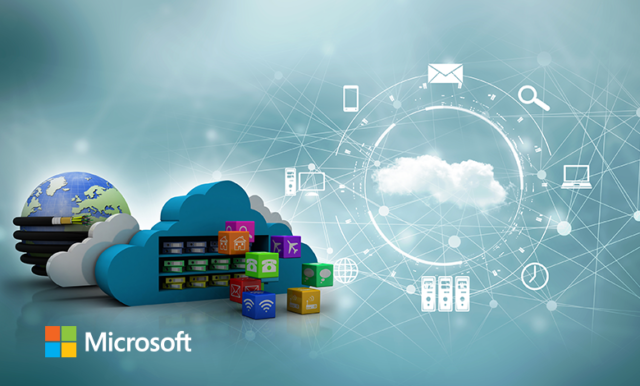
Can one business provide all these services together? Definitely! Wizard Cloud specializes in cloud services through a certified partnership with Microsoft.
The Benefits of Choosing Wizard Cloud’s Solutions
Wizard Cloud offers a range of cloud licensing solutions designed to simplify your cloud journey and empower your organization:
- Office 365 Licenses: Enhance work efficiency with Office 365 licenses, offering productivity and collaboration capabilities.
- Azure CSP Subscriptions: Optimize scalability with Azure CSP subscriptions, allowing businesses to scale their software needs with ease.
- Tailored Plans: Receive tailored plans fitting your organization’s unique needs, ensuring seamless cloud integration and business growth.
- In-house IT Experts: Benefit from expert guidance at every step of your cloud journey with our in-house IT experts.
- Customer Support: Expect swift responses to your needs with our international customer support team.
By offering these services, Wizard Cloud helps businesses unlock innovation and elevate their business with comprehensive cloud solutions.
Embracing Emerging Technologies
As businesses look to the future, emerging technologies such as artificial intelligence (AI) and the Internet of Things (IoT) are shaping the landscape of cloud licensing. AI enables automation and enhances intelligent operations, while IoT supports real-time data collection and smart device management, boosting efficiency and enhancing problem-solving capabilities.
Conclusion: Embrace the Future with Cloud Licensing Solutions
Cloud licensing solutions offer a multitude of benefits for B2B businesses, including cost-effectiveness, scalability, accessibility, and compliance. By choosing Wizard Cloud’s comprehensive offerings, businesses can unlock innovation, efficiency, and growth in the digital era. We encourage you to explore our cloud licensing solutions and discover how they can transform your business operations for the better. Embrace cloud licensing as a strategic investment to drive success in today’s dynamic business environment.
]]>Cloud Migration: Transition to the Cloud in a Breeze
Begin your cloud journey with our adept cloud migration services. Whether you’re looking to migrate your applications, data, or infrastructure, our expert team ensures a smooth and efficient transition. We carefully analyze your existing environment, craft tailored migration strategies, and execute the migration process with precision, minimizing disruption and maximizing its value. For more insights into planning your migration journey, explore Microsoft’s comprehensive migration guide.
Cloud Management: Effortlessly Optimize Your Cloud Environment
Once you’ve embraced the cloud, it’s essential to effectively manage and optimize your cloud environment for peak performance. With Wizard Cloud’s cutting-edge cloud management solutions, you gain unparalleled visibility and control over your cloud resources. From monitoring and optimization to automation and cost management, our robust management tools empower you to unleash the full potential of your cloud infrastructure.
Cloud Security: Protect Your Assets with Confidence
Security is paramount in the cloud era. Wizard Cloud is committed to keeping your data and applications secure at all times. Our state-of-the-art cloud security solutions leverage advanced technologies and best practices to safeguard your digital assets from evolving threats. With robust encryption, access controls, and threat detection mechanisms in place, you can rest assured that your critical business information is safe and secure.

Cloud Consulting: Expert Guidance Every Step of the Way
Navigating the complexities of the cloud landscape can be daunting, but with Wizard Cloud’s expert cloud consulting services, you’re never alone on your cloud journey. Our team of cloud experts provides invaluable insights, strategic guidance, and hands-on support to help you make informed decisions and achieve your business objectives. Whether you’re just starting or looking to optimize your existing cloud environment, we’re here to help you succeed.
Experience the Wizard Cloud Difference
At Wizard Cloud, we’re more than just a cloud solutions provider—we’re your trusted partner in innovation and growth. With our comprehensive cloud offerings, unparalleled expertise, and unwavering commitment to excellence, we’re here to propel your business to new heights in the digital age. Let’s embark on this cloud journey together and unlock the full potential of your business.
Ready to harness the power of the cloud? Contact Wizard Cloud today to learn more about our cloud offerings and take the first step towards a brighter, more agile future!
]]>Let’s explore how cloud computing is helping businesses around the globe go green, reduce energy consumption, minimize hardware waste, and enable efficient remote work and virtual collaboration.
Maximizing Energy Efficiency
One of the standout features of cloud computing is its ability to dramatically increase energy efficiency. Cloud data centers are engineered with state-of-the-art technologies that minimize energy waste through highly efficient hardware and advanced cooling systems. This optimized setup significantly reduces overall energy consumption compared to traditional, in-house data centers, enabling businesses to operate more sustainably without sacrificing performance.
Cutting Down Carbon Emissions
The centralization of resources within cloud data centers presents an opportunity for businesses to significantly lower their carbon footprint. As cloud providers increasingly turn to renewable energy sources to power these facilities, the shift helps reduce the operational energy needs and subsequent carbon emissions of their clients. This move not only supports global efforts to combat climate change but also aligns with the growing consumer demand for environmentally responsible business practices.
Efficient Resource Pooling
The cloud computing model is inherently designed for efficiency through resource pooling. By allowing multiple customers to share the same physical infrastructures, such as servers and storage systems, reduces the demand for additional hardware production. This efficiency not only maximizes the utility of existing resources but also lessens the environmental burden associated with the extraction and disposal of IT equipment.
Decreasing Hardware Dependence
Cloud services drastically cut down the need for businesses to purchase, maintain, and eventually dispose of their hardware. This reduction in hardware dependency not only decreases the amount of electronic waste but also lowers the overall environmental degradation that comes with the life cycle of manufacturing and disposing of technology products.
Facilitating Remote Work
Beyond hardware and energy considerations, cloud computing plays a pivotal role in enabling remote work and virtual collaboration. By allowing employees to access systems and collaborate from anywhere, cloud computing reduces the need for commuting. This reduction in travel not only helps decrease transportation-related emissions but also contributes to a broader shift towards less congested and polluted urban environments.
Wizard Cloud: Pioneering Sustainable Cloud Solutions
Wizard Cloud strongly supports and integrates sustainability into cloud services. As a cloud solutions provider, we are dedicated to delivering environmentally friendly and innovative cloud technologies tailored to the specific needs of businesses aiming for operational excellence and ecological responsibility. Wizard Cloud’s offerings include scalable cloud infrastructure, secure data management solutions, and specialized services designed to reduce environmental impacts through efficient resource utilization. These features make us an ideal partner for companies seeking to make their IT operations more sustainable while maintaining high performance and reliability.
Conclusion:
As we have explored, cloud computing not only improves business efficiency and scalability but is also a key enabler in the drive towards environmental sustainability. By adopting cloud technologies, businesses not only streamline operations but also actively participate in reducing global carbon emissions, decreasing electronic waste, and promoting energy-efficient practices. This shift towards cloud solutions is not merely a technological upgrade; it’s a commitment to a sustainable future where digital innovation goes hand in hand with ecological responsibility.
For more insights and to explore how we can assist you in your cloud journey, check our comprehensive range of services designed to empower organizations like yours with advanced cloud solutions. Whether you’re looking to migrate your infrastructure, optimize your cloud environment, or leverage managed cloud services, our team of experts is committed to guiding you every step of the way. Visit us today to discover how Wizard Cloud can help you unlock the full potential of the cloud and drive your organization’s success.
]]>We will delve into essential considerations, offering an analytical lens to evaluate and compare cloud service providers. Executives and IT leaders will find actionable advice to navigate this crucial selection process, ensuring their organizational needs are met with precision and foresight.
Making the Strategic Decision
When it comes to cloud services, the adage “one size does not fit all” rings particularly true. As organizations look to leverage cloud technologies, the selection of a cloud service provider (CSP) becomes a critical business decision. This choice should be guided by a thorough analysis of several vital factors, each playing a substantial role in your long-term digital strategy.
Key Factors for Consideration
- Security Measures: Security is paramount in the digital age, and assessing the security protocols of a CSP is non-negotiable. Examine their compliance certifications, data protection policies, and history of security breaches to gauge their credibility and reliability. Providers like Microsoft Azure and AWS, for example, have extensive security credentials that set industry benchmarks.
- System Reliability: Dependability is key. Review the provider’s service level agreements (SLAs) for uptime guarantees. Look at their track record for maintaining service without interruptions and their strategies for disaster recovery. Oracle and Google Cloud are known for their robust disaster recovery options and SLAs.
- Scalability: As your business grows, your cloud requirements will evolve. The ideal CSP offers scalable solutions that can adapt to changing needs without exorbitant costs or technical hurdles. AWS and Microsoft Azure, in particular, offer extensive scalable options to accommodate growing businesses.
- Pricing Structure: Cloud services come with a range of pricing models. Transparent and predictable pricing is crucial. Ensure you understand the cost implications of scaling services and that pricing structures align with your budget. Providers like Google Cloud and AWS offer detailed pricing calculators to help estimate costs.
- Customer Support: Quality customer support can be the linchpin for a successful CSP partnership. Evaluate the responsiveness, expertise, and availability of the provider’s support team. Microsoft and Oracle are among those with comprehensive support networks.
- Compliance and Certifications: It’s essential that your CSP meets industry-specific compliance requirements. Verify that they hold relevant certifications and standards that comply with your business needs. AWS and Google Cloud, for instance, maintain a wide range of compliance certifications across various industries.
- Technology and Performance: Investigate the CSP’s infrastructure and technology stack. Performance benchmarks such as processing power, bandwidth, and integration capabilities should meet or exceed your requirements. Microsoft Azure and Oracle offer advanced technological capabilities that cater to high-performance needs.
- Vendor Lock-in Risks: Consider the flexibility of migrating to different services or providers in the future. Assess the CSP’s policies on data portability and their use of proprietary versus open standards. Providers such as AWS and Google Cloud have tools and services designed to minimize vendor lock-in risks.
Best Practices for Selecting a CSP
- Conduct a Comprehensive Needs Analysis: Before engaging with providers, delineate your business requirements. Understand your must-haves versus nice-to-haves.
- Seek Recommendations and Reviews: Lean on industry networks for provider recommendations. Online reviews and case studies can also yield insights into provider performance and customer satisfaction. Exploring how companies have leveraged the strengths of providers like AWS, Microsoft Azure, or Google Cloud can offer a realistic picture of what to expect.
- Evaluate the Ecosystem: A CSP’s partnerships and the strength of their ecosystem can be indicators of their service quality and the breadth of solutions they offer. The expansive ecosystems of AWS and Microsoft Azure, for instance, are reflective of their service reliability and innovation.
- Test Drive Services: Many providers offer trials or demos. Use these to assess the user experience and the technical capabilities of the service first-hand. Google Cloud and Oracle allow potential customers to trial services, providing a hands-on experience with their platforms.
Final Thoughts
Selecting the right cloud service provider is an exercise in strategic alignment. It requires a balance of technical evaluation, cost analysis, and an assessment of the potential for a long-term partnership. By methodically examining these key factors and employing best practices, businesses can choose a CSP that not only meets their current needs but also supports their future growth trajectory.
Ready to harness the full potential of cloud computing with a service provider that aligns perfectly with your business objectives? Connect with Wizard Cloud to explore a partnership that brings clarity, innovation, and performance to your digital infrastructure. Begin your journey to a streamlined cloud experience today.
]]>